

Senior Partner
FOR IMMEDIATE RELEASE
SEATTLE, WA – November 18, 2026 – Four Seattle residents have initiated a proposed class action lawsuit against the City of Seattle over what they describe as unfair and unlawful “extra” garbage and yard waste charges over multiple years.
Seattle collects roughly $8 million a year in these charges, which are based on reports from the City’s solid waste contractors, Recology King County and Waste Management.
The residents allege that the City has known for years that those reports are inaccurate—but has kept charging customers anyway.
A garbage in, garbage out reporting and audit system
Unlike other local municipalities, Seattle’s contract with Recology King County and Waste Management penalizes these contractors for failing to report excess solid waste and rewards them for reporting it. Twice a year, Seattle bonuses the contractors $10,000 per percentage point of reporting accuracy above 95% and penalizes them $10,000 per percentage point of reporting accuracy below 85%, which is considered “Below standard.” Seattle penalizes the contractors $20,000 per percentage point of billing accuracy below 75%, which is deemed “Failing.”
To assess the contractors’ performance, Seattle’s waste contract requires the City to “randomly monitor routes, or portions of routes, on a regular basis” to audit the waste contractors’ reporting of extra waste. But the City’s audit system was flawed. Seattle only audited to make sure contractors reported extra waste—not whether they accurately reported the absence of it. Seattle also deemed any report of excess waste a “match” as long as the contractor reported some extra waste, even if the amount reported differed wildly from the City’s audit.
The City’s incentive and penalty system, combined with its audit only to make sure contractors reported extra waste, incentivized contractors to broadly report extra waste to meet Seattle’s benchmarks, the claim asserts.
The claim alleges that the City had ample opportunity to see the flaw in its system. Seattle’s data illustrates frequently and substantially inaccurate reporting by Seattle’s garbage contractors.
- City auditors found discrepancies with Recology’s extra-waste reports between 30% and 40% of the time between 2019 and 2025 (the last full year of available data).
- The City counted a report of any extra waste as a “match,” even when the amounts differed widely. For example, in December 2023, the City found 40 units of extra waste where Waste Management reported one. On another entry that month, Waste Management reported 20 units and the City found ten. The City deemed them “matches.”
- As another example, in July 2025, discrepancies between the City audit and Recology’s report equate to less than 65% accuracy, yet the City reported a 79% accuracy rate because it deemed any report of excess waste a “match.”
- Even the City’s “match” rate, which asks only whether Recology recorded some extra waste and not whether it recorded the right amount, fell short of the contract’s 85% standard in every year from 2019 through 2025.
These figures, the claim alleges, demonstrate systemic inaccurate reporting and a failed audit system. “The data should have raised alarm bells over a deeply flawed system,” explains Seattle class action attorney Andrew Ackley. “It’s not surprising that inaccurate reporting and inadequate oversight leads to inaccurate billing to consumers.”
One man’s trash… is Seattle’s treasure
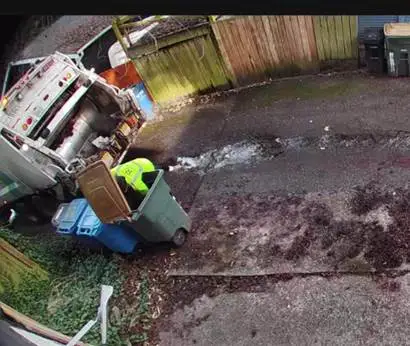
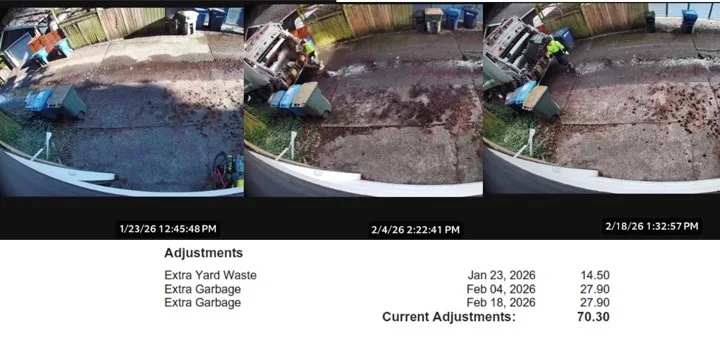
Seattle’s unique focus on extra waste and inaccurate billing are not the only burdens on the City’s residents. Unlike other local municipalities, Seattle Public Utilities bundles garbage with variable water and sewer charges and lists extra-waste charges at the bottom of the last page of a two-month bill. The City also encourages autopay. These factors obscure fluctuating waste charges that residents have no reason to expect—which results in the City obtaining money from residents it is not authorized to collect.
The City’s data confirms that residents are not noticing these charges or are choosing not to spend their time on an onerous dispute process. As the SPU manager of solid waste contracts explained to the Seattle Times, “not a large percentage of [bills] get disputed.” Even though contractors inaccurately report extra garbage a large percentage of the time. SPU dispute records demonstrate only a marginal difference from the baseline dispute rate where Recology reported more extra waste than auditors found.
Customers who do notice a charge must dispute it one bill at a time, often over $7.50 or $14. The City typically credits charges no further back than two billing cycles, and the agents often refuse credits when a photo exists, even if the customer says it is not their home. At that point, the customer usually must continue the dispute with a supervisor before it can be resolved. The bills add up, but going through a layered dispute process one bill at a time over $14 is not a reasonable expectation for Seattle residents, the claim asserts.
The class action claim alleges that the City has been unlawfully collecting millions from Seattle residents over multiple years. Class action attorney Andrew Ackley explains, “Seattle residents should not have to spend their time monitoring trash. It is not their job to fix a broken system one bill at a time. But if they can use a Ring camera to dispute bills, it is not too much to ask that the City and waste contractors use readily available technology to do the job right in the first place.”
Seattle residents seek class action to stop improper billing practices
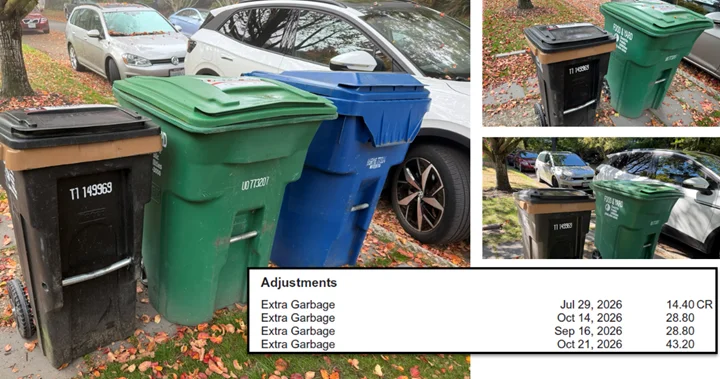
This consumer class action seeks injunctive relief to ensure accurate reporting and billing of extra waste for Seattle residents. On behalf of themselves and other Seattle residential customers serviced by Recology, the claimants also seek reimbursement of improper extra waste charges, plus compensation for loss of use of funds, late fees, investigative expenses, and similar damages.
The claimants assert claims for breach of contract, breach of the implied duty of good faith and fair dealing, failure to supervise contractors and maintain reasonable billing and dispute practices, unjust enrichment, and vicarious liability for Recology’s conduct. You can view the addendum to the claim form below.
Notes to Potential Class Members:
- If you are a Seattle Waste Management customer and wish to participate in this class action, please contact Stritmatter Law. The claimants so far are all Recology customers who seek to represent the interests of other Recology customers.
- While this claim is filed as a proposed class action, only a judge can certify a class action, determine who is in the class, and appoint class representatives. There is no certified class action pending. You are welcome to contact the claimants’ counsel but should not rely on a potential class action to resolve individual disputes regarding waste charges. This communication is not legal advice.
Legal team at Stritmatter Law includes Senior Partner Andrew Ackley, Partner Shannon Kilpatrick, and paralegal Debra Watt.
Media Contact: Andrew Ackley, Senior Partner, Andrew@stritmatter.com
Previous news on this story: Seattle Times and KIRO.